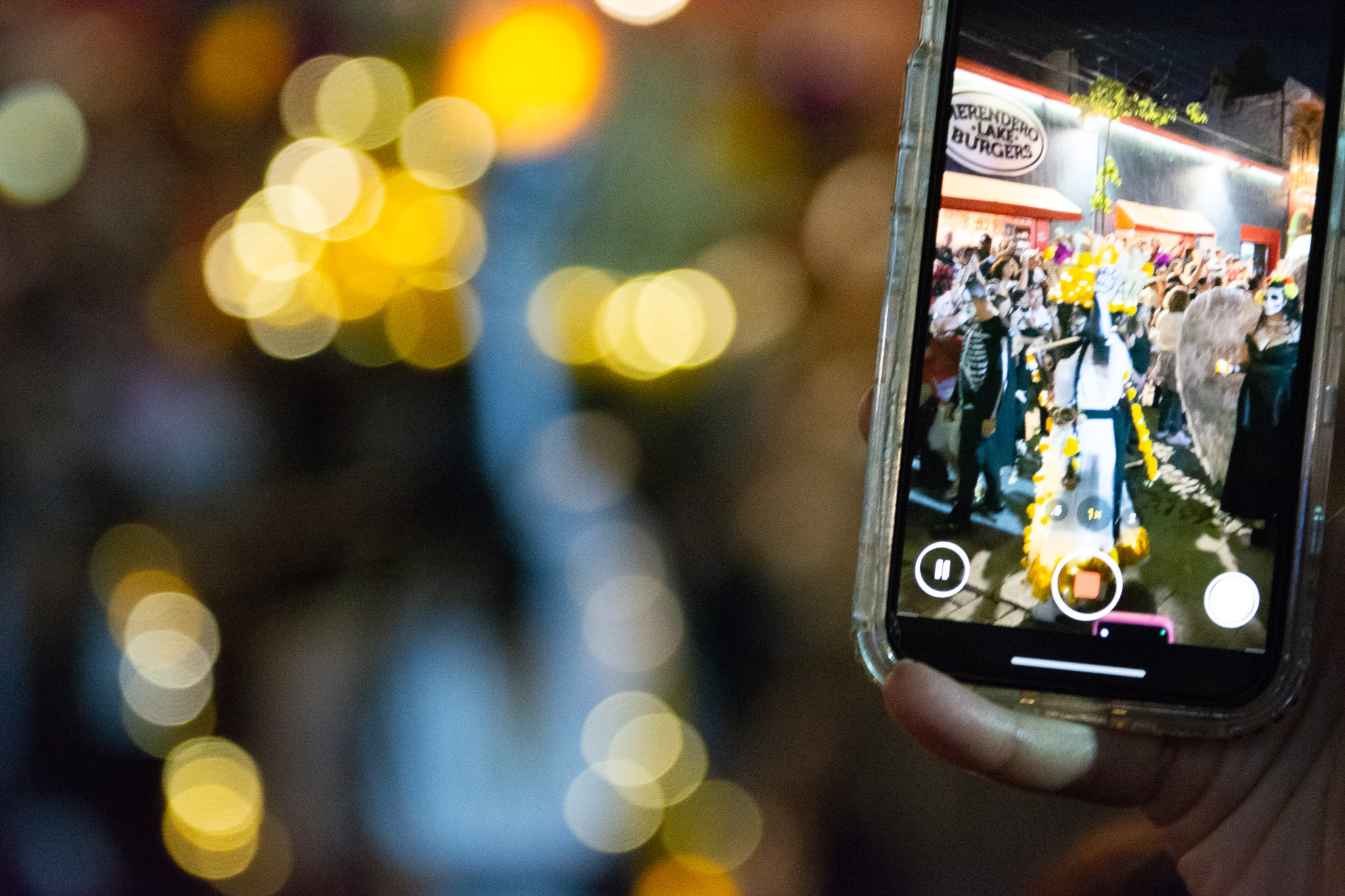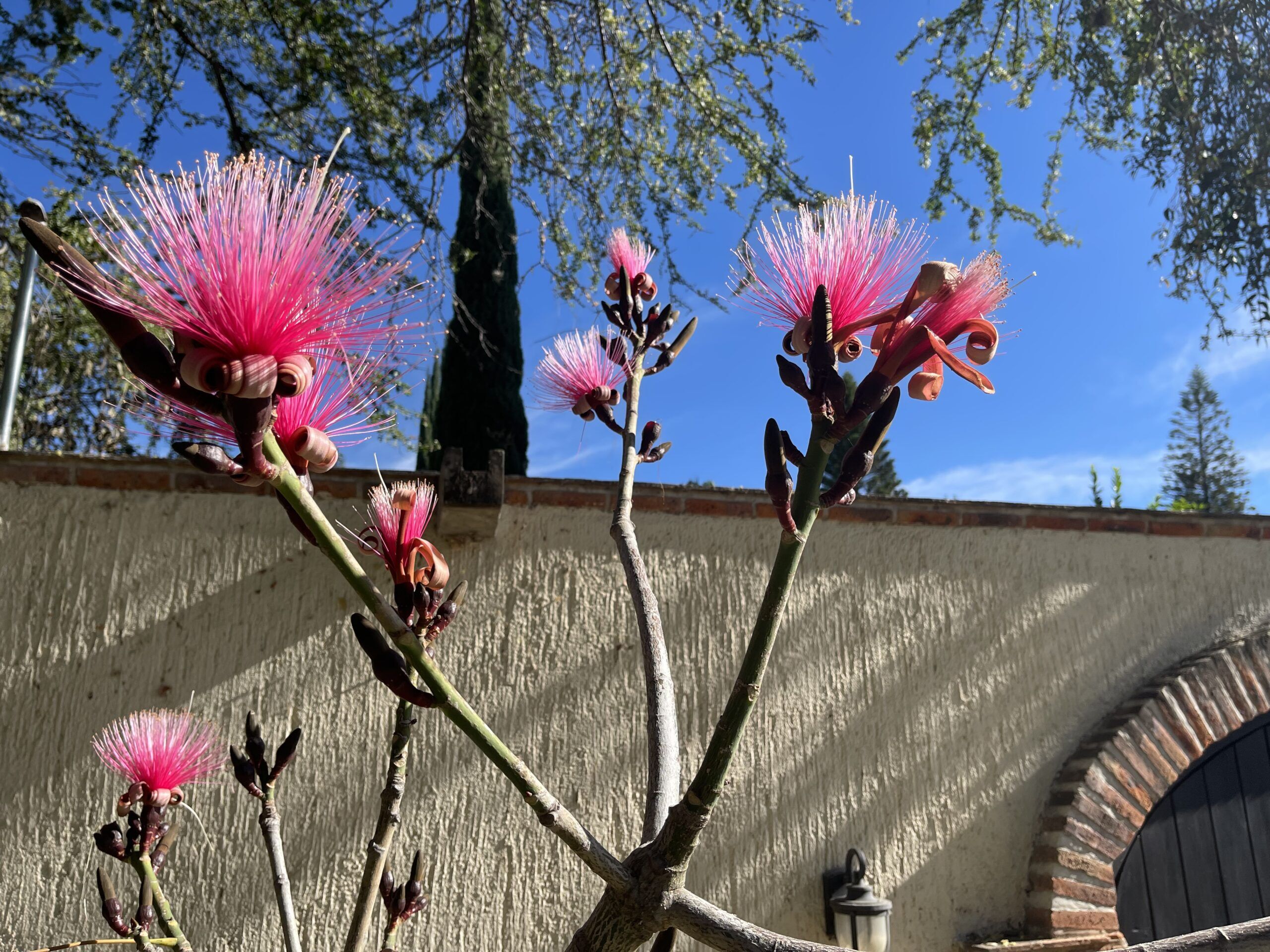
Good street photos often begin with light. A simple scene can become more interesting when light adds shape, contrast, mood, or color. In Ajijic, light changes quickly from one street to the next, so it helps to notice not just your subject, but the way the light is falling on it.
Look for side light
Side light is one of the most useful kinds of light in street photography. It brings out texture on walls, streets, clothing, and faces, and it helps give shape to a flat scene. Early morning and late afternoon are especially good times to find it.
Pay attention to patches of light
On a sunny day, light often falls in bright patches across sidewalks, doors, and corners of the street. Instead of chasing every subject, try watching one good patch of light and wait for someone to move into it. This can create a much stronger picture.
Watch the background brightness
A good subject can get lost if the background is too bright. Before taking the picture, check whether the light behind your subject is distracting or pulling the eye away. A small step to one side can often improve the balance.
Use backlight carefully
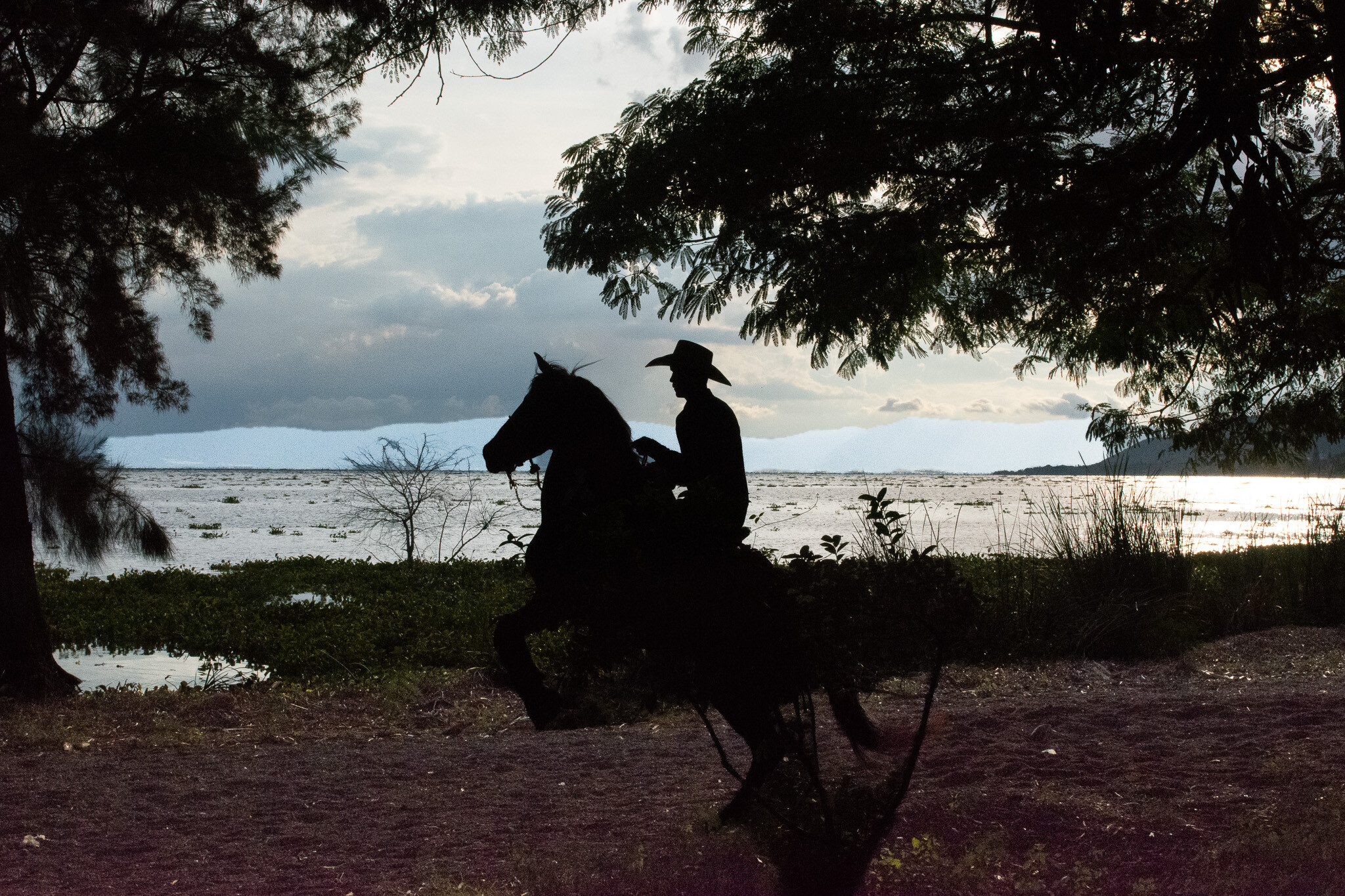
Backlight can make a street scene feel dramatic and atmospheric, especially when it outlines a person, hat, bicycle, or drifting dust. But it can also hide detail if the subject becomes too dark. Try exposing for the subject if you want to keep more information in the middle of the frame.
Return when the light is better
A good location may not look its best at the moment you first see it. If the light feels flat or harsh, come back earlier or later in the day. Many strong street photos depend as much on timing as on subject matter.
In street photography, light is not just something that helps you see. It is often the thing that makes the picture worth taking.
More to Explore
Related galleries and photo ideas from around Ajijic.